Early on a quiet Sunday morning in February, John Kwinjie was driving home after dropping his wife Sharon, a care assistant, off at work. Their two daughters, nine-month-old Tanaka and three-year-old Makanaka, were in the back seats. The roads were familiar, and everything seemed routine, until the unthinkable happened.
John and his daughters were involved in a serious road traffic collision in Stourport-on-Severn, Worcestershire. It was 6:35am when the 999 call first came in and critical care paramedics, Kerry Hemus and Grant Salsby, were dispatched in one of our critical care cars from Strensham to the scene.
When the team arrived, bystanders had already pulled Makanaka from the car. There were no visible injuries, but she was unconscious, so it was clear her condition was extremely serious.
Meanwhile, Sharon received a devastating call from a relative telling her about the incident.
When she arrived at the scene, she was met with a sight no wife or mother would wish to witness. Flashing lights, her daughter unconscious in the back of an ambulance, and a team working tirelessly to help her.
Despite wanting to see her daughter, Sharon could only watch as the critical care paramedics and doctors focused on treating Makanaka.
Due to the severity of Makanaka’s injuries, additional support arrived in the form of Strensham’s day shift crew, Dr David Balthazor and critical care paramedic, Colin Shurrock-Apps.
Colin oversaw the care for the other family members, triaging baby Tanaka to Birmingham Children’s Hospital and transporting John to Worcester Royal Hospital.
Makanaka was suffering from trismus, where her jaw involuntarily clenched shut. The decision was made to perform a technique only advanced clinicians can perform – a rapid sequence intubation (RSI) to help maintain her airway and breathing. To manage the risk of internal bleeding, tranexamic acid (TXA) was also administered by our enhanced care team.
Dr David explains: “We felt the appropriate intervention to undertake was an RSI, and these are skills and techniques that would normally be performed in intensive care under anaesthesia or sometimes in the emergency room. Colin and I focused on protecting Makanaka’s airway and brain and stabilising her condition.
We administered enhanced drugs and worked to ensure she was ready for onward transfer.”
Once stable, Makanaka was airlifted to Birmingham Children’s Hospital for advanced care.
Dr David added: “We had to give further interventions to Makanaka on route. I was very proud of the Midlands Air Ambulance Charity teams involved, especially Kerry and Grant who were coming to the end of their shift.”
Reflecting on the events, Sharon said: “My daughter had the best of the best that day.
What the team did led to everything that followed. They saved my daughter’s life at the incident scene.
Everything fell into place, and today I have my daughter.”
Makanaka’s recovery was significantly supported by the collaboration of the two critical care teams.
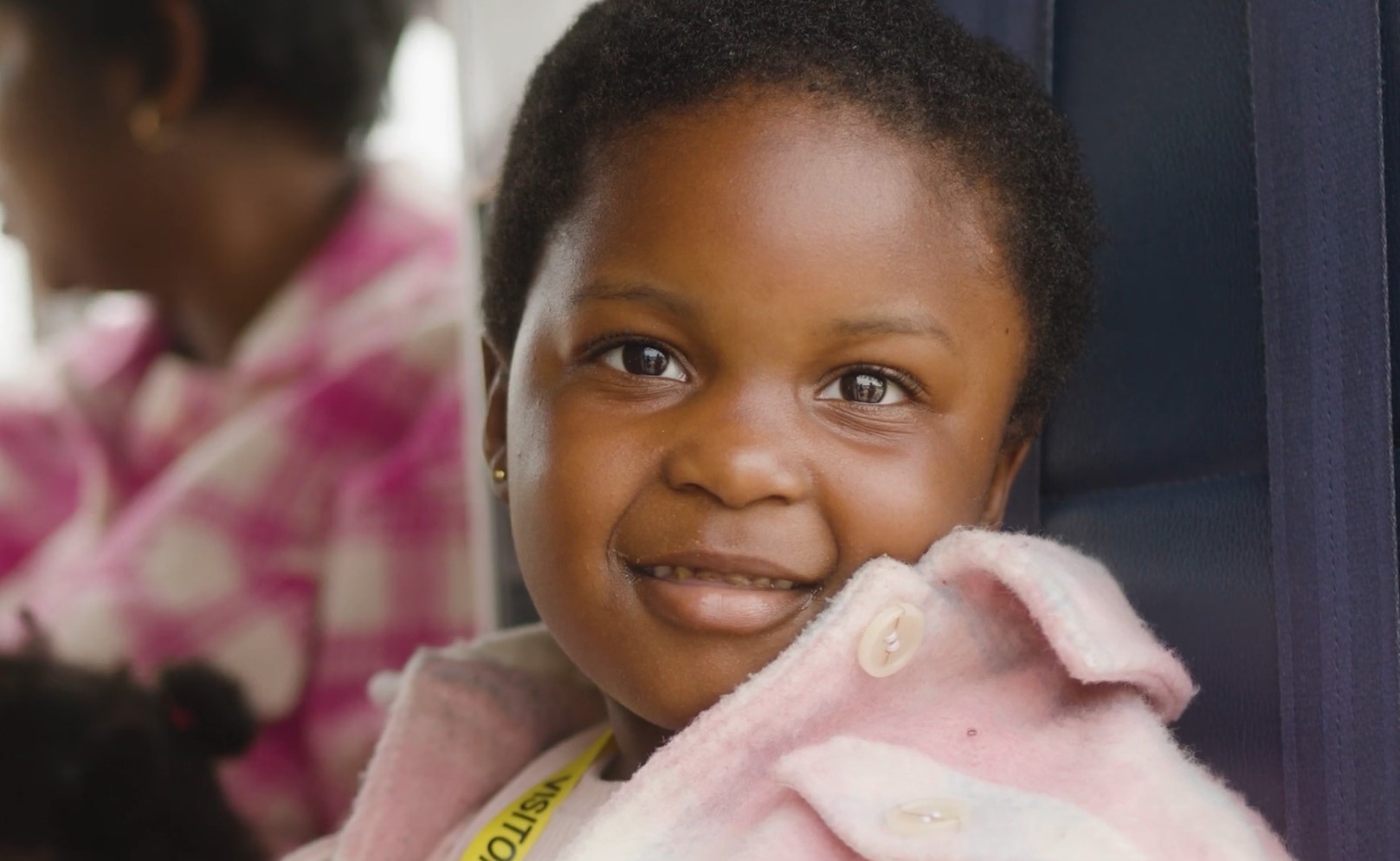
Makanaka and her family later visited the Midlands Air Ambulance Charity’s airbase and headquarters in Cosford, where they bravely shared their incredible story through a video case study. The team involved in her care were also interviewed, reflecting on their critical role in her recovery.
You can watch this incredible fight for survival here: youtu.be/1n4pItlgEkI